Neck Pain Relief: Stretches & Exercises for Neck Strength
Quick Answer: Neck pain relief starts with 5-10 minutes of daily movement: gentle stretches to ease tight muscles, plus strengthening exercises like shoulder blade squeezes and chest openers to support posture. Combine this with ergonomic changes at your desk, and check in with an exercise physiologist if pain lasts beyond a few weeks or spreads into your arms.
Neck pain is one of the most common reasons people book in with an exercise physiologist, and one of the most fixable, once you know which movements actually help. It often shows up as a dull ache or tightness through the neck and upper back that limits how far you can turn your head, and it tends to build gradually rather than appear overnight.
This guide from Movement Therapy's Sydney-based Exercise Physiologists covers what's driving your neck pain, a full stretching and strengthening routine you can do at home, when it's time to get it checked, and answers to the questions we're asked most often.
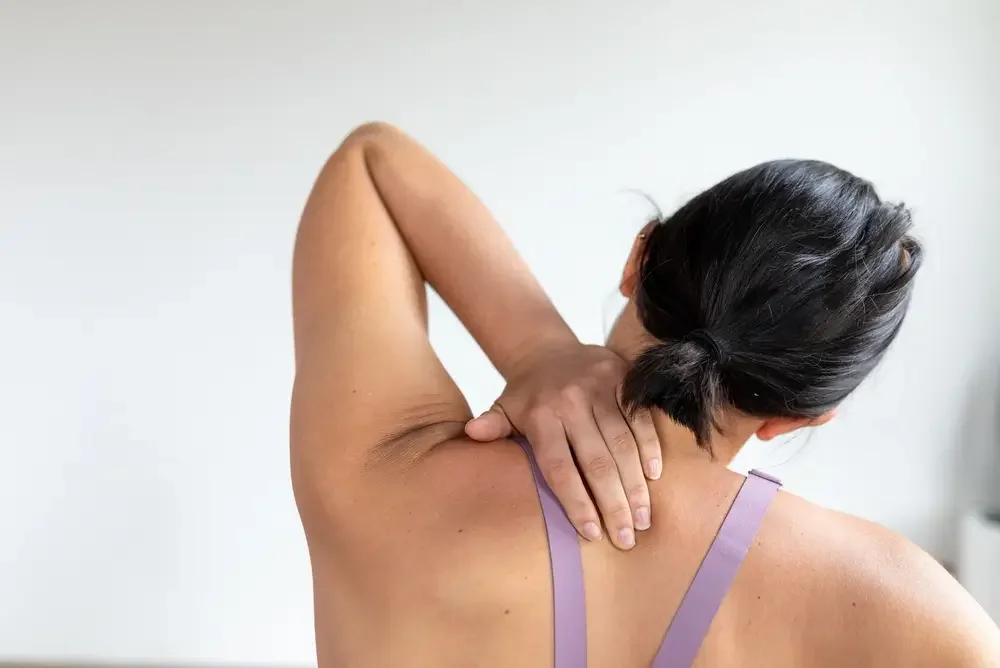
What Causes Neck Pain?
The exact cause isn't always clear-cut, but three factors show up most often:
Muscle strain: overusing the neck muscles through daily activity, prolonged postures ("good" or "bad"), work tasks, or certain hobbies.
Stress: physical and emotional stress commonly shows up as tension through the neck and shoulders.
Degenerative changes: as the discs and joints in the spine naturally wear with age, some stiffness and discomfort can follow.
“Posture is a genuine piece of the puzzle, particularly for anyone at a screen most of the day: a systematic review found a significant correlation between forward head posture and both neck pain intensity and disability, and Safe Work Australia tracks musculoskeletal disorders — including neck and spinal conditions — as one of the leading categories of serious workplace injury claims, underlining how much desk-based work contributes.”
Neck Stretches for Pain Relief
Do these while warm, after a shower, a short walk, or later in the day rather than first thing in the morning. Hold each stretch gently; you should feel a mild pull, never pain.
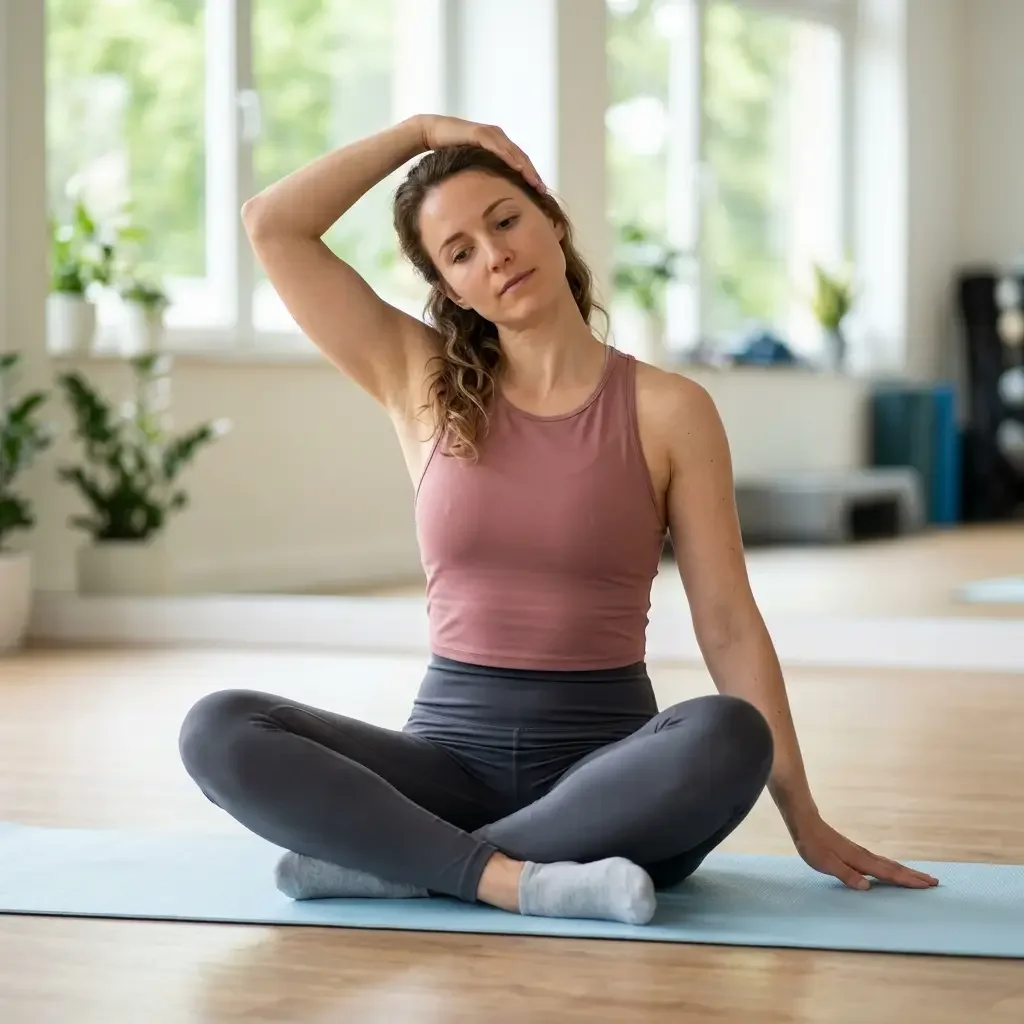
Exercise Name: Upper Trapezius Stretch
How to Perform:
Sit or stand tall, drop one ear gently toward the same shoulder
For a deeper stretch, use your hand to add very light overpressure — never pull hard
Hold 20- 30 seconds, then switch sides
Benefit: eases tension through the side of the neck, a common spot for tightness from desk work and stress.

Exercise Name:
Levator Scapulae Stretch
How to Perform:
Turn your head about 45 degrees, then tilt your chin down toward your armpit
You'll feel this along the back-side of the neck, toward the shoulder blade
Hold 20-30 seconds, switch sides
Benefit: targets a muscle that's frequently tight in people who carry bags on one shoulder or sleep with poor neck support.
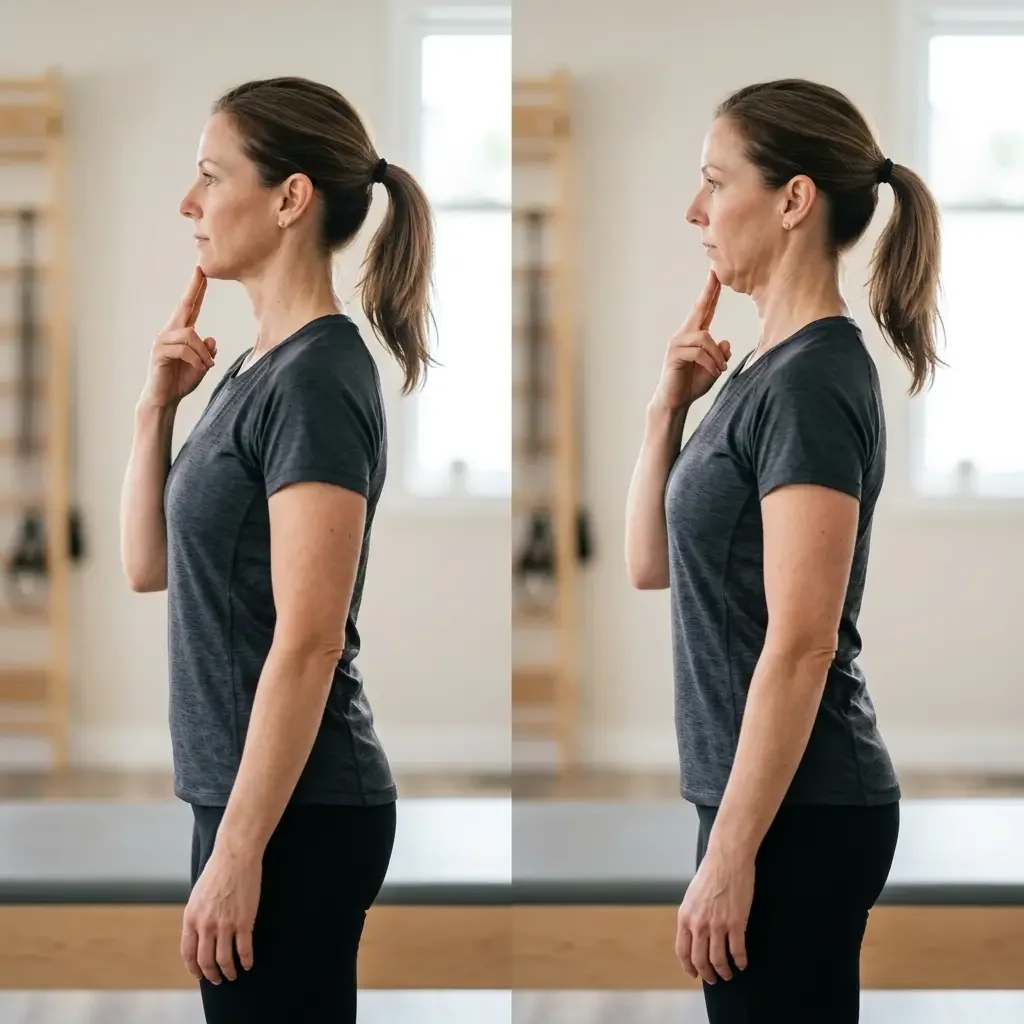
Exercise Name: Chin Tucks
How to Perform:
Sitting tall, gently draw your chin straight back, as if making a small double chin
Keep your gaze level — this is a small, subtle movement, not a nod
Hold for 5 seconds; repeat 10 times
Benefit: directly counters forward head posture from screen and phone use.
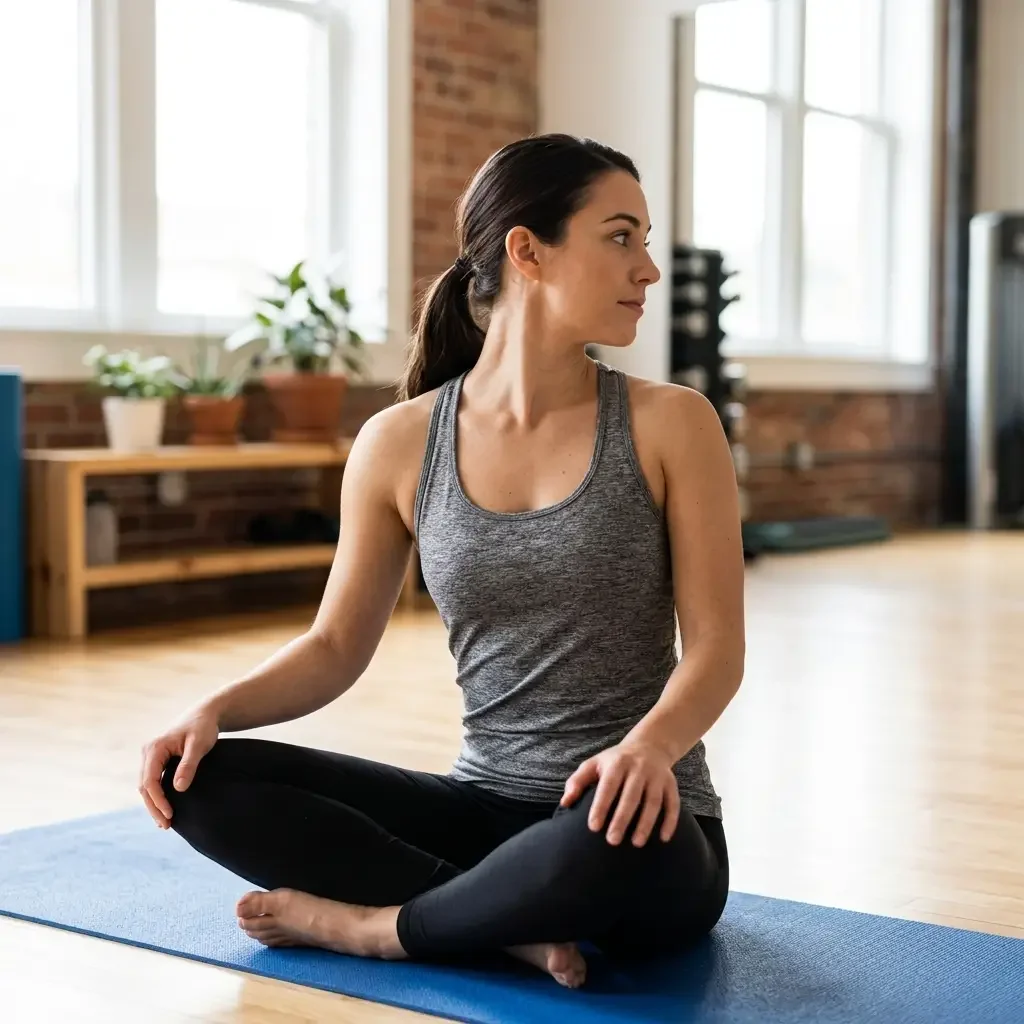
Exercise Name: Neck Rotation Stretch
How to Perform:
Slowly turn your head to look over one shoulder as far as is comfortable
Hold for 15-20 seconds, return to centre, and repeat on the other side
Benefit: maintains rotational range of motion, useful for driving and checking blind spots comfortably.
Strength Exercises for Neck Pain
“Stretching alone has its limits. A Cochrane review of exercise therapy for neck pain found a role for strengthening exercises focused on the neck, shoulder and shoulder blade region in reducing chronic neck pain, with added benefit when strengthening is combined with stretching — which is why both are included here.”
Shoulder Blade Squeezes
Pull your shoulder blades back and together, as if pinching a pencil between them
Hold 5 seconds, repeat 10 times
Benefit: builds the postural strength that supports the neck through a long day at a desk.
Chest Opener
Stand tall, arms outstretched at shoulder height, palms facing forward
Gently draw your chest forward and your shoulder blades together, hold 5 seconds
Repeat 10 times
Benefit: counteracts the rounded-shoulder position that comes from prolonged sitting and screen use.
Banded Neck Strength
Anchor a light resistance band at head height
Facing away from the anchor, hold the band at forehead level and gently press your head forward against the resistance, without moving your head
Hold 5 seconds, repeat 8-10 times, then repeat facing the anchor for the opposite direction
Benefit: builds isometric neck strength and endurance, which the evidence above specifically supports for chronic neck pain.
Fixing the Everyday Habits Behind Neck Pain
Set your monitor so the top of the screen sits at eye level — looking down all day is one of the most consistent contributors to neck strain
Hold your phone up rather than tilting your head down to it
Take a short movement break every 30-45 minutes if you're at a desk most of the day
Choose a pillow that keeps your neck roughly level with your spine when lying on your side, not tilted up or dropped down
Notice where you carry tension when stressed — many people hold it in the neck and shoulders without realising
When to See a Professional
Most everyday neck pain responds well to a few weeks of consistent movement. See a healthcare professional sooner if you notice:
Numbness, tingling or weakness spreading down an arm
Pain that started after a fall, accident or blow to the head or neck
Pain accompanied by fever, unexplained weight loss, or feeling generally unwell
No improvement after 2-3 weeks of self-care
Get Expert Help for Lasting Relief!
If neck pain lingers after a few weeks of self-care, don't hesitate to seek professional guidance. A healthcare professional can recommend a personalised plan to get you back to a pain-free life.
Ready to ditch neck pain and regain your quality of life? Schedule a consultation with our Exercise Physiologist! Movement Therapy EP crafts a program to target the source of your discomfort and achieve lasting relief. BOOK HERE or call 0406 742 724 to book your appointment. Take charge of your well-being today!
FAQ’s
-
Most muscle-strain-related neck pain eases within 1-3 weeks with consistent stretching, strengthening and posture changes. Pain lasting longer than this, or that keeps returning, is worth having assessed.
-
Yes. Physical and emotional stress commonly shows up as muscle tension through the neck and shoulders, which can build into ongoing tightness and discomfort over time.
-
Look for a pillow that keeps your neck aligned with the rest of your spine — not propped too high, not too flat — and supports your natural sleeping position, whether that's on your back or side.
-
Both, ideally together. Stretching helps ease tight, overworked muscles, while strengthening — particularly through the shoulder blade and upper back — supports the posture that keeps neck pain from returning.
-
See a healthcare professional if pain includes numbness, tingling or weakness in an arm, follows an injury, comes with fever or feeling unwell, or hasn't improved after 2-3 weeks of self-care.