After spending years trying to lose weight, you’d think learning to eat normally would be the easy part.
But for me, it wasn’t.
When you’ve spent so much time thinking about calories, portions, what you should eat and what you should avoid, it can be surprisingly difficult to move away from that mindset. Even when you understand nutrition, your relationship with food doesn’t necessarily change overnight.
I learnt that through my own weight loss journey.
Losing weight taught me a lot about food, but learning how to enjoy it without constantly worrying about my progress was another skill entirely. And like most things worth learning, it took practice.
When food still feels good or bad
Early in my weight loss journey, I still had foods I considered bad.
Even when I understood that I could include them within my calorie target, part of me felt that eating them would somehow undo the progress I’d made.
I’d worked hard to lose weight. Why would I risk that by eating something I considered unhealthy?
Looking back, I can understand why I thought that way. When you’re trying to change your habits, it’s easy to divide food into two categories: foods that help you reach your goals and foods that work against them.
But nutrition isn’t that simple.
Your overall eating pattern matters far more than whether you ate a burger, some chocolate or a slice of cake on a particular day. A single food doesn’t determine your progress, just as one healthy meal doesn’t guarantee it.
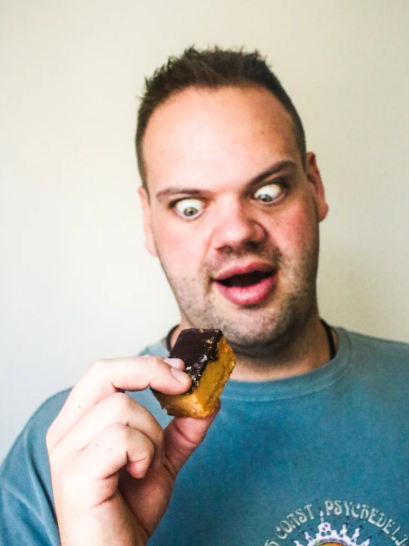
Over time, I started to understand that distinction, not just in my head, but in how I actually approached eating. I could enjoy foods I’d previously labelled as bad without feeling that I’d done something wrong.
That didn’t mean eating them constantly. It meant making a conscious decision about when I wanted them, enjoying them and then carrying on with my normal eating habits.
Sometimes I’d also experiment with making those foods myself, finding ways to improve their nutritional value while keeping the flavours I loved.
I wasn’t trying to eliminate enjoyment from my diet. I was learning how to include it.
Understanding nutrition and trusting yourself are different things
One thing I’ve come to appreciate is that knowing what to do and feeling comfortable doing it aren’t always the same.
You can understand energy balance, protein, fibre and portion sizes and still find certain eating situations difficult. You can know that one meal won’t ruin your progress and still feel uncomfortable afterwards.
I think that’s an important distinction.
We often approach weight loss as though information is the missing ingredient. Learn what to eat, understand calories, follow the plan and everything should fall into place.
But our eating habits are shaped by much more than knowledge. Routine, past experiences, emotions, convenience, hunger, social situations and the rules we’ve built up over time all play a part.
Changing those habits takes repetition.
For me, learning to eat normally wasn’t about forgetting everything I’d learnt during weight loss. It was about using that knowledge in a way that supported my life, rather than making every meal feel like a test.
Learning to slow down and pay attention
Something I still practise today is being more conscious of how I eat.
Am I actually hungry? Am I enjoying what I’m eating? Am I starting to feel full? Do I need more, or am I continuing simply because the food is there?
These might sound like simple questions, but they’re not always easy to answer when you’ve spent years focusing on external targets. For a long time, my eating decisions revolved around what my calorie allowance said, what a meal plan recommended or what I thought I should be doing.
Learning to recognise your own hunger and fullness takes a different kind of attention.
For me, that has meant deliberately slowing down and giving myself the chance to enjoy food.
It doesn’t mean I get it right every time. There are still occasions when I eat more than I intended, or realise afterwards that I wasn’t paying much attention. But that’s part of learning.
The goal isn’t to become perfect at recognising fullness. It’s to become more aware of your eating habits and gradually make choices that leave you feeling satisfied.
And importantly, hunger and fullness aren’t the only reasons we eat. Sometimes we eat because we’re celebrating, sharing a meal or simply enjoying something delicious.
That’s normal too.
Normal eating doesn’t mean eating without structure
I think this is where people can get confused.
When I talk about eating normally, I don’t mean abandoning everything you’ve learnt about nutrition. I don’t mean eating whatever you want, whenever you want, without considering how it affects you. And I certainly don’t mean that every meal needs to be perfectly balanced.
For me, normal eating means having enough structure to support my health and goals while leaving room to enjoy life.
I still value regular meals. I still prioritise protein and plant foods. I still pay attention to portions and how my weight is trending.
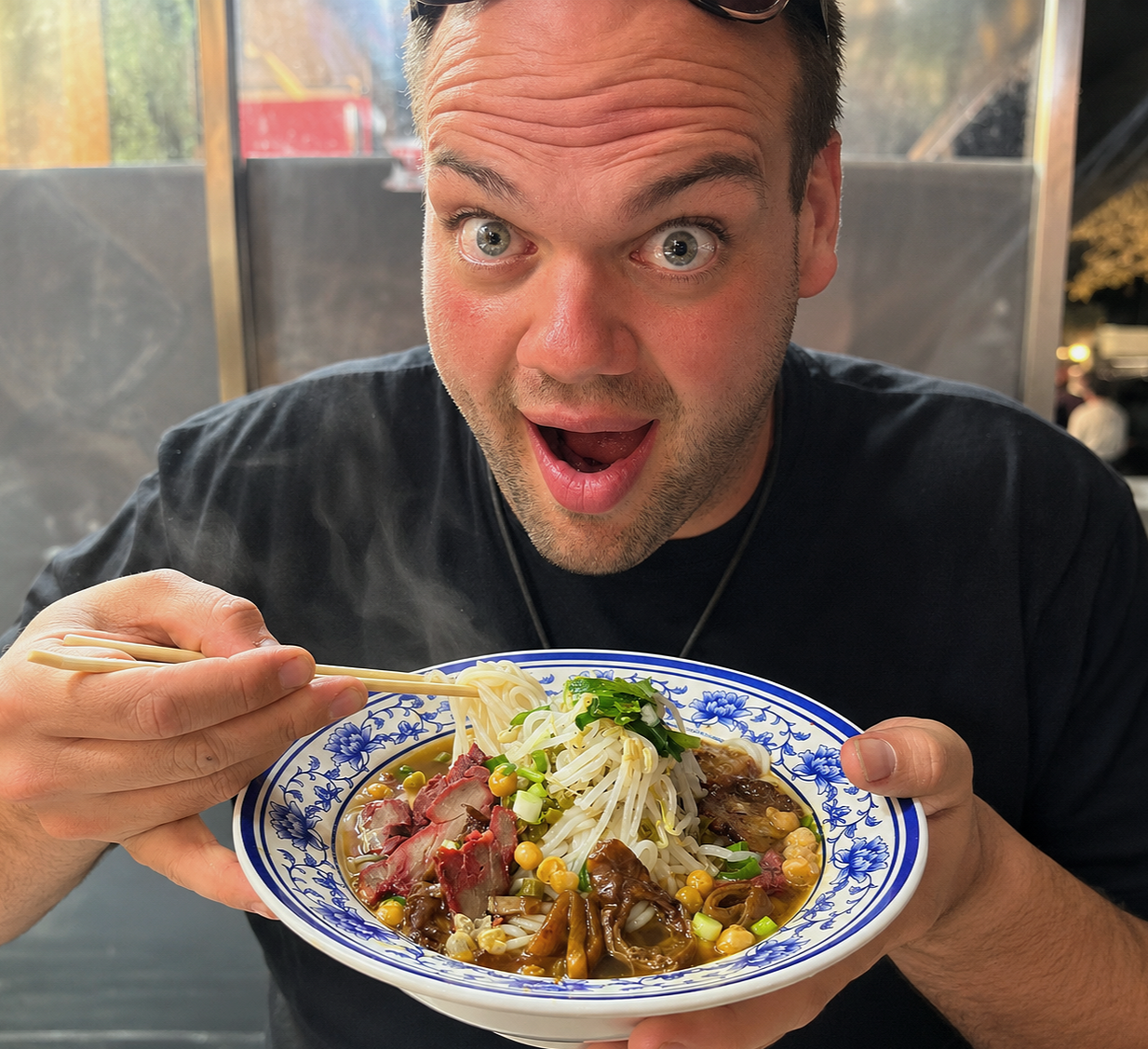
But I also want to enjoy a meal out, eat something just because I like it and have days where nutrition isn’t my main priority.
Those things don’t have to compete with each other. In fact, I believe learning to balance them is one of the most important skills for maintaining weight loss.
Because if your approach only works when every meal is planned and every decision is controlled, what happens when life gets busy? What happens when you go on holiday, go to a birthday or simply don’t feel like cooking?
A sustainable approach needs room for those situations.
It didn’t happen overnight
I wish I could point to one moment when everything changed. A meal where I suddenly realised I could relax around food.
But that’s not how it happened for me. It was gradual.
I practised making choices without labelling them good or bad. I practised slowing down and recognising when I’d eaten enough. I learnt to enjoy foods I’d previously restricted without feeling the need to have them all the time. And I kept returning to the habits that helped me feel good.
Eventually, those choices became more familiar.
Today, I can generally maintain a weight range without constantly dieting or trying to lose more. My weight still fluctuates, and there are times when managing my eating is harder than others. But I have a much better understanding of what works for me.
That’s not because I discovered some secret. It’s because I spent time practising habits I could realistically maintain.
What if you’re trying to learn to eat normally again?
If you’ve spent years dieting, I wouldn’t expect your relationship with food to change straight away.
Start small.
Try removing the labels of good and bad from individual foods. Instead, think about how those foods fit into your overall eating pattern.
Keep some structure around your meals, but allow flexibility.
Practise slowing down occasionally and noticing how hungry or satisfied you feel.
Choose foods you genuinely enjoy, rather than forcing yourself to eat things just because they’re considered healthy.
When you eat more than you intended, resist the urge to treat it as a failure that needs correcting. Return to your usual habits at the next opportunity.
These are small actions, but repeated consistently, they can change how you approach food.
You don’t need to master everything at once.
Eating normally is something you can learn
I spent years learning how to lose weight. What I didn’t fully appreciate at the beginning was that I’d also need to learn how to live with the habits I’d developed.
For me, that meant letting go of the idea that food had to be perfectly controlled to make progress, and understanding that enjoyment and good nutrition could exist together.
That’s what learning to eat normally means to me.
Not eating perfectly. Not ignoring nutrition. Just building enough knowledge, awareness and confidence to enjoy food while looking after myself.
Eat. Enjoy. Empower.