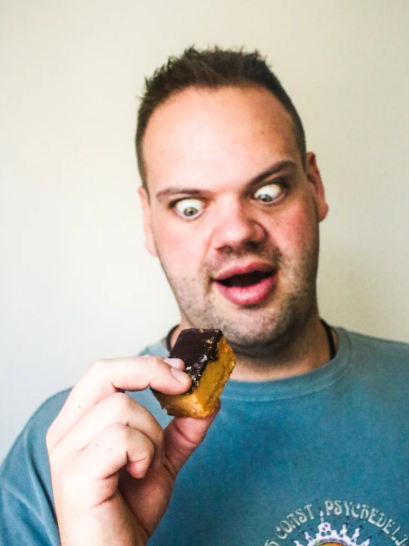
The Fear of Regaining Weight
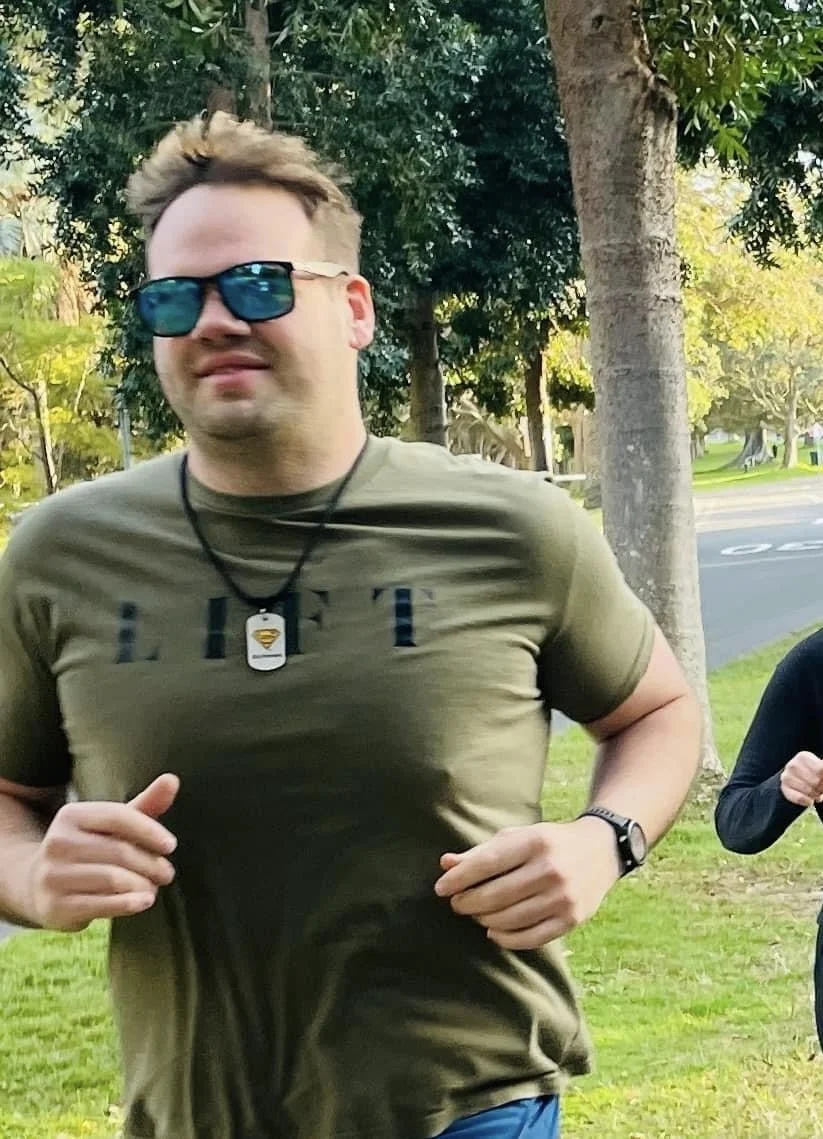
After losing 56 kilograms, you’d think I’d be pretty confident about managing my weight.
I’ve learnt an enormous amount about nutrition. I’ve developed habits that changed my health and my life. And I’ve experienced firsthand what it takes to lose a significant amount of weight.
But there’s something I still struggle with. The fear of putting it all back on.
It’s not necessarily the thought of gaining a couple of kilograms that worries me. It’s the possibility of losing control and gradually undoing years of progress.
I’ve been 163 kilograms before. I know how much effort it took to change my habits and get to where I am today. And sometimes, the thought of returning to that point is frightening.
Sometimes it’s easier not to look
Here’s something I don’t think gets talked about enough.
When I’m worried that my weight might be increasing, I don’t always rush to do something about it. Sometimes I do the opposite. I ignore it.
I might notice that my routine has slipped. Maybe I’ve been eating out more often, exercising less or simply paying less attention to my usual habits.
Part of me knows I should probably check in. But another part of me doesn’t want to know.
Because what if I’ve gained more weight than I expected? What if I’ve let things drift further than I realised? And what if I have to start actively losing weight again?
So sometimes I put it off.
Which is a strange thing when you think about it. I know that avoiding the scales doesn’t change what’s happening with my weight. But knowing something logically and being comfortable confronting it are two very different things.
What happens when I finally check in?
Eventually, I take accountability and check what’s actually happening. And the interesting thing is that the outcome isn’t always what I expected.
Sometimes I step on the scales and nothing much has changed. I’ve spent time worrying about a problem that wasn’t really there. That’s a good reminder that how I feel about my weight isn’t always an accurate reflection of what’s happening.
Other times, the scales confirm what I suspected. My weight has increased.
I’ll admit, my first reaction is usually frustration. I might be disappointed that I’ve let things drift, or annoyed that I didn’t pay attention earlier.
But I’m getting better at recognising that reaction. Rather than immediately deciding I’ve failed, I try to give myself a moment to reflect.
What’s actually changed? Have I stopped exercising as regularly? Has my meal structure disappeared? Am I eating differently because work has been busy? Or am I simply seeing a temporary fluctuation?
Once I understand what’s happening, I can make a much better decision about what to do next.
Not every increase requires another diet
This has been an important lesson for me.
Sometimes, getting back to my usual habits is genuinely all that’s needed:
Eating regular meals
Including plenty of plants and protein
Walking more consistently
Returning to strength training
Getting enough sleep
Having a little more awareness around my food
I don’t necessarily need to slash my calories or introduce a whole new set of rules. I just need to return to the behaviours that generally support my health.
But other times, I need to acknowledge something different. I’ve regained enough weight that I’d like to actively reduce it again.
And that’s okay too. I can make a deliberate decision to create a sensible calorie deficit and work towards reducing my weight.
The difference is that I’m making that decision based on what’s actually happening, rather than reacting to fear.
Taking accountability doesn’t always mean making big changes. Sometimes it means recognising that you’re already doing enough.
And sometimes it means accepting that a change is needed.
The scales are information, not a judgement
I think this is where our relationship with the scales can get complicated.
When the number goes down, we feel successful. When it goes up, we feel like we’ve done something wrong.
But our body weight isn’t a report card. It’s information.
Hydration, carbohydrate intake, sodium, digestion and the amount of food in our system can all influence our weight from day to day. That’s why one weigh-in doesn’t necessarily tell us very much.
I find it more useful to look at patterns over time, alongside other measures like how I’m feeling, my waist measurement, my fitness and my general habits.
If my weight is consistently trending upwards, that’s worth understanding. But a higher number after a weekend away doesn’t automatically mean I’ve regained a significant amount of body fat.
And avoiding the scales because I’m worried about the answer doesn’t make that information any less useful.
I’m learning to approach it with curiosity rather than judgement. Admittedly, some days I’m better at that than others.
The fear of losing control
I think this is the part that sits underneath everything else.
When you’ve spent years working towards a healthier weight, you don’t want to lose what you’ve achieved. And the more effort you’ve invested, the more important protecting that progress can feel.
For me, that sometimes creates a fear of losing control.
What if I stop paying attention? What if a few kilograms turn into ten? What if I slowly slide back into my old habits without realising it?
Those thoughts can make a small change feel much bigger than it actually is.
But I’ve had to remind myself that maintaining progress doesn’t require perfect control. It requires awareness and a willingness to respond.
I don’t need to eat perfectly every day. I don’t need to weigh exactly the same every morning. And I don’t need to treat every unexpected increase as an emergency.
What I do need is to stay engaged with my health, even during the periods when things aren’t going exactly how I’d like.
Because avoiding what’s happening doesn’t protect my progress. Understanding what’s happening gives me the opportunity to protect it.
Regaining weight doesn’t erase what you’ve learnt
Something else I’ve had to remind myself is that regaining weight doesn’t take away the knowledge and experience I’ve gained.
Even if my weight increases, I’m not suddenly the person I was at 163 kilograms.
I’ve learnt how to build meals that support my goals. I’ve discovered forms of exercise I genuinely enjoy. I understand much more about nutrition, energy balance and the importance of consistency. And I’ve developed the ability to recognise when my habits need attention.
None of that disappears because the scales have moved in the wrong direction.
Of course, that doesn’t mean I should ignore weight gain if it’s something I want to address. It means I can approach it with the skills I’ve already developed.
I don’t have to start from scratch.
Learning to trust myself
I used to think confidence would come from reaching a particular weight and never going above it again. But I’m beginning to see it differently.
Confidence isn’t knowing that I’ll never regain weight. It’s knowing that I can recognise when things have changed and do something constructive about it.
Sometimes that means stepping on the scales and discovering everything is fine. Sometimes it means returning to my usual habits. And sometimes it means making a deliberate effort to lose some weight again.
I’m still learning to navigate those situations without getting frustrated or overly critical of myself. There are times when I avoid checking in longer than I should. There are times when I see a number I don’t like and need a little while to reframe my thinking.
But I’m getting better at it. And I think that’s worth recognising.
Because maintaining weight loss isn’t about becoming someone who never struggles again. It’s about developing the skills to manage those struggles when they happen.
The goal isn’t to never lose your way. It’s to become confident that you know how to find your way back.
And for me, that starts with being willing to look at what’s actually happening.
Eat. Enjoy. Empower.