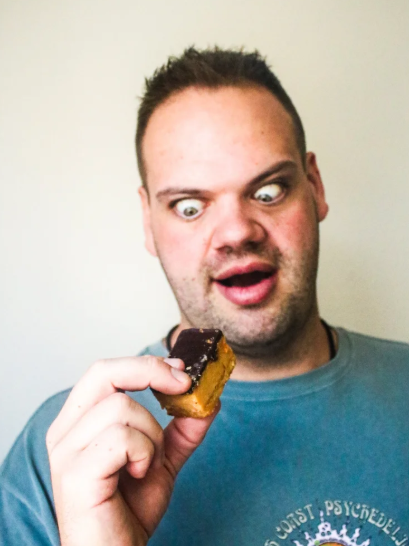
Why Another Diet Probably Isn’t the Answer
I struggled with my weight for most of my life, and I've tried more diets than I can probably remember.
Low carb. No carb. Keto. Carnivore. Elimination diets. Bodybuilding-style meal plans. At one point there were even handfuls of pills with meals.
And then there was the classic approach of being incredibly strict all week before completely losing my mind on a cheat meal.
The interesting thing is that some of them worked. I lost weight. More than once.
The problem was that eventually I stopped following the diet, and eventually I found the weight again.
That's why I don't think the most useful question is, "Does this diet work?"
A better question is: Can this diet work for you, and can some version of it still exist when the diet is over?
Most diets aren't magic
We tend to talk about diets as though one of them must contain the answer.
Should you go low carb? Keto? Fast? Track calories? Give up sugar? Eat six times a day?
The reality is much less exciting.
Different approaches can work because they're different ways of creating the same underlying condition required for weight loss: a calorie deficit.
The science explains why your weight changes. The more interesting part is how you create that deficit in a way you can actually live with.
And that's where my own approach eventually started to change.
I became very good at dieting
At one point, I was incredibly disciplined.
I tracked everything. I weighed almost every meal. I knew my calories and macros and could make tiny adjustments to my food to make the numbers work.
And it worked. I lost a lot of weight.
If the only measure of a successful diet was whether the number on the scales went down, you could absolutely call that a success.
But eventually I realised something. I'd become very good at losing weight. I hadn't necessarily become good at living without a diet.
Those are two very different skills.
Tracking wasn't bad. Structure wasn't bad. Discipline wasn't bad. All of those things helped me enormously.
The problem came when I started believing that maintaining my results meant maintaining that exact level of control forever.
Eventually the question changed from "Can I do this?" (clearly I could) to "Do I want to live like this?"
Your diet has to survive real life
It's easy to design a nutrition plan for an imaginary version of yourself.
In my book I joke about "Monday Dean".
Monday Dean is impressive. He meal preps everything. Trains five times a week. Gets his steps in. Eats perfectly. Sleeps eight hours. He probably owns a new water bottle.
Then actual Dean has work, relationships, responsibilities, a mortgage and all the other things that make up a normal life.
That's the person your nutrition needs to work for. Not the version of you who has unlimited motivation, time and energy.
You.
Weight loss still requires something to change
I don't want the message here to become "diets don't work". That's not what I'm saying.
If weight loss is your goal, you still need to create the conditions that allow it to happen. For weight loss to occur, you need to consume less energy than you expend over time. And depending on where you're starting, some fairly significant changes might be necessary.
But stricter isn't automatically better.
I've experienced the other extreme myself. At one point, I decided the solution to my weight problem was to stop eating for a week and then go keto. I genuinely thought I'd cracked it.
Thankfully, when I walked into a supplement store and proudly explained my brilliant plan, the woman behind the counter basically told me I was crazy.
Instead, she asked about my life and my habits.
Her advice? Eat breakfast and go to the gym.
I had arrived looking for something revolutionary. Instead, I got breakfast.
But that simple recommendation gave me somewhere to start.
Wake up. Eat breakfast. Make one useful decision. Then make another.
I didn't understand it at the time, but I was beginning to build structure instead of searching for another extreme solution.
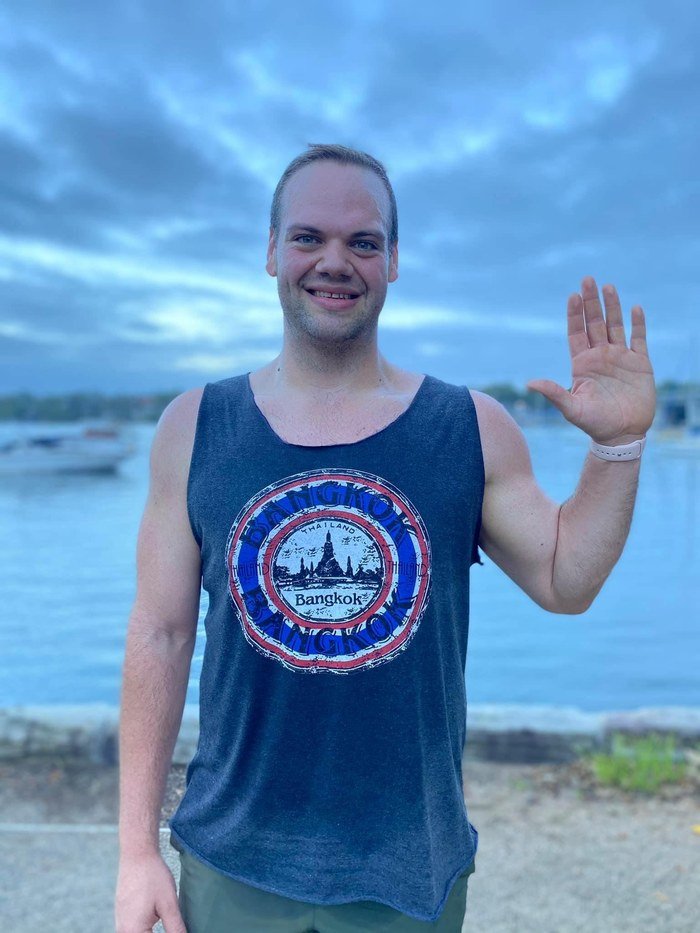
Dean Stephens during his weight loss journey while travelling in Thailand.
The goal isn't to stay on a diet forever
Eventually, nutrition had to become part of my life rather than the organising principle of it.
That transition wasn't immediate. After years of dieting, flexibility actually felt uncomfortable.
I had to practise eating the burger. Having dessert. Going to the restaurant. Enjoying Christmas. Travelling. Seeing the scales go up sometimes.
And then doing something that once felt almost impossible: nothing.
No punishment. No compensation. No dramatic restriction the next day. Just a return to normal.
Over time, those experiences taught me something another diet couldn't.
One meal didn't ruin anything. Neither did a holiday. Neither did Christmas.
Food gradually started taking up an appropriate amount of space in my life rather than controlling it.
So, do you need another diet?
Maybe.
There's nothing inherently wrong with following a structured diet. Keto can work. Fasting can work. Calorie tracking can work. Meal plans can work. Eating breakfast can work.
They're tools. The mistake is believing that one of those tools contains the secret.
It doesn't.
The question I care about now, both from my own experience and when helping other people, is whether the approach fits your actual life well enough that you can keep making useful decisions.
Because losing the weight is one skill. Learning how to live afterwards is another.
As I've come to think about it: fat loss is chapter one. Learning how to sustain it and live is the real book.
And if you've spent years jumping from diet to diet, maybe the answer isn't finding a better diet.
Maybe it's finally building an approach you don't constantly need to escape from.
Eat. Enjoy. Empower.